
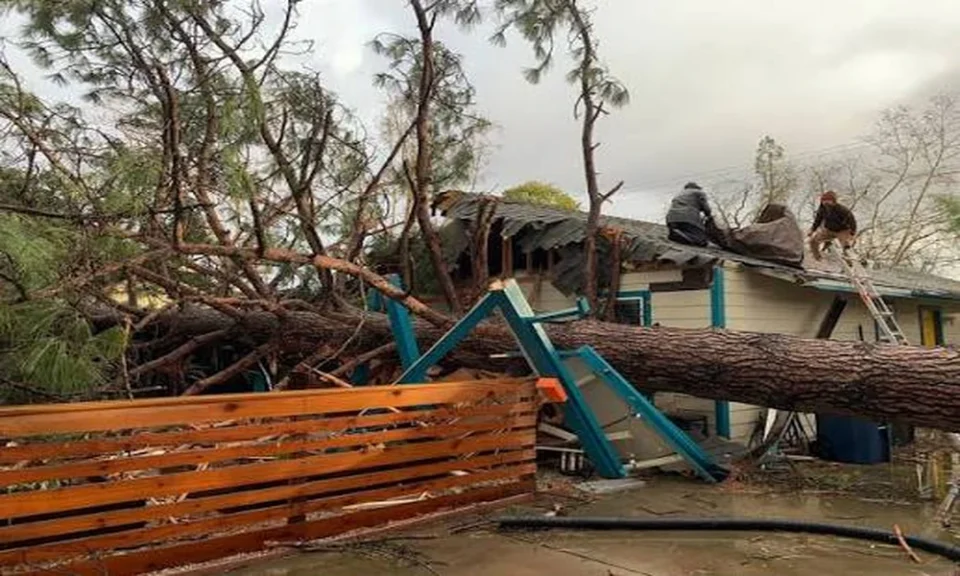
Most roof leaks around Sacramento get blamed on rain. That makes sense on the surface, because rain is when the brown ring finally spreads across the bedroom ceiling. But the real damage usually happened months earlier, somewhere between June and September, while the roof sat baking under a sky that hadn’t produced a cloud in weeks.
The Sacramento Valley is hard on roofs in a way that doesn’t look dramatic. There’s no hail season and no hurricane season. What it has is a long run of 100 degree afternoons followed by a wet winter that arrives all at once. Homeowners in Rancho Cordova, Folsom, Elk Grove and the surrounding towns often learn this the hard way. A local crew such as Maginis Roofing spends a good share of its fall on that exact pattern, handling inspections, roof repairs, residential roofing and gutter cleaning for homes from Davis to Citrus Heights. Their work starts with damage that formed in July and only became visible in October.
So the useful question is what summer actually does to a roof, and how to catch it before the storms do.
What a Hundred Degree Afternoon Does Up There
When the air temperature hits 105, a dark asphalt shingle can climb well past 150 degrees. Do that day after day for three months and the shingle changes. The oils that keep asphalt flexible slowly bake out. The shingle gets stiff and brittle, and the protective granules on top start to loosen.
Then night comes. The valley cools off fast, especially when the Delta breeze rolls in, so the roof shrinks back down by evening. That daily swing of expanding and contracting is called thermal cycling, and it’s the slow engine behind most valley roof failures. It loosens nails, opens tiny cracks, and works the seal strips apart until a shingle edge lifts with the first gust.
The attic matters here too. Without decent ventilation, attic air can push past 140 degrees and cook the roof deck from below. Shingles sandwiched between a blazing sun and an overheated attic age noticeably faster than the number printed on the warranty suggests.
The Small Parts That Give Out First
Shingles get the attention, but they’re rarely the first thing to fail. The weak links tend to be the small pieces that seal the gaps.
Rubber pipe boots around plumbing vents are a classic example. UV exposure dries the rubber until it cracks into a ring around the pipe, and that ring channels water straight into the attic. Sealant around flashing at chimneys, skylights and wall junctions hardens and pulls away in the same way. Nail heads that were once tight can back out a fraction of an inch after enough cycling.
Tile roofs, common across newer Sacramento subdivisions, have their own version of this. The clay or concrete tiles themselves hold up beautifully in heat. The underlayment beneath them does not last forever, and that felt or synthetic layer is what actually keeps water out. A tile roof can look perfect from the street while the layer underneath has crumbled.
Leaf Drop Arrives Right on Schedule
Sacramento calls itself a city of trees for good reason, and every one of those valley oaks, sycamores, Chinese pistaches and pines sheds on its own calendar. Most of it lands in October and November, right as the rain season begins.
Leaves pile up in roof valleys, the angled channels where two slopes meet. Pine needles knit together into mats that act like a dam. Gutters fill, downspouts clog, and water that should drain away backs up under the shingle edge or spills over the fascia board. Damp debris also holds moisture against the roof for days, which is how moss and rot get started on north facing slopes that never fully dry out in winter.
How the First Real Rain Finds Every Weak Spot
Sacramento averages somewhere near 18 inches of rain a year, and most of it falls between November and March. The trouble is how it arrives. Atmospheric river storms can drop several inches in a couple of days, often with strong south winds pushing the water sideways.
Wind driven rain is the real test. It gets forced up under lifted shingle edges, behind loose flashing and through that cracked pipe boot. A roof that handled a light drizzle fine can start leaking in the first big storm, which is why so many calls happen in the same week each year.
Leaks also travel. Water can enter near the chimney, run along a rafter and show up as a stain eight feet away, so the ceiling spot is a clue, not an exact address.
A Fall Walkaround Worth Twenty Minutes
You don’t need to climb on the roof to spot most warning signs. A pair of binoculars and a slow walk around the house during dry weather will reveal plenty. Here’s what to look for.
- Shingle edges that curl, cup or lift, especially on the south and west slopes that take the most afternoon sun.
- Bare or shiny patches where granules have worn off, plus a sandy buildup at the bottom of downspouts.
- Cracked or slipped tiles, and any spots where tiles have shifted out of line.
- Pipe boots and flashing that look gray, split or separated from the roof surface.
- Valleys and gutters packed with leaves or needles.
- Inside the attic, daylight showing through boards, damp insulation or dark streaks on the underside of the deck.
If several of these show up together, it’s worth having a professional look before the rain starts rather than after.
When Patching Stops Making Sense
A single cracked boot or a handful of lifted shingles is a repair. Widespread brittleness, heavy granule loss across whole slopes, or failing underlayment under tile is a different conversation. At that point repairs tend to chase leaks around the roof one storm at a time.
Replacement in California also comes with a few rules worth knowing ahead of time. Reroofing usually requires a permit, and in Sacramento’s climate zone, replacing most of a roof generally triggers the state’s cool roof standard under Title 24. That standard sets minimum reflectance values so the new covering bounces more sunlight back instead of soaking it up. The California Energy Commission’s building energy standards lay out these requirements, and the Cool Roof Rating Council keeps a directory of rated products. For valley homeowners, the rule works in their favor, since a more reflective roof runs cooler, lasts longer and eases the load on the air conditioner.
It’s also the moment to think about what else the roof will carry. Many Sacramento homes either have solar panels or plan to add them, and putting new panels on an aging roof means paying to remove and reinstall them later. Upgrading attic ventilation at the same time tackles the heat problem at its source.
The pattern in this region is predictable, and that’s good news. Heat does its work in summer, debris piles up in fall, and the rain simply reveals the result. A homeowner who looks closely in September usually stays dry in January.
