
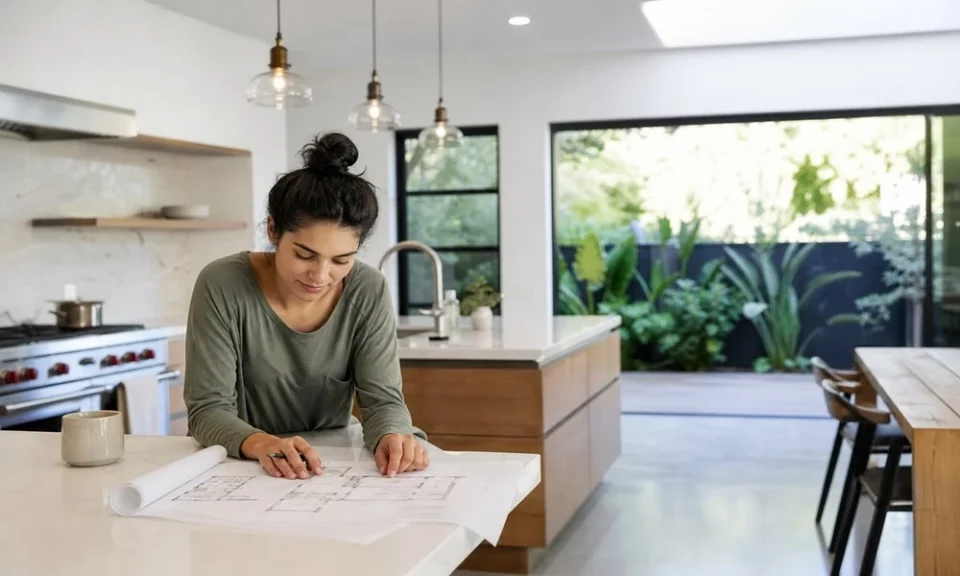
A remodeling project might start because your kitchen is too small, your bathroom is no longer serving your family’s needs, or the current floor plan is wasting usable space. For homeowners in Davie, there are many factors to consider, from the South Florida climate to the style of your neighborhood, to what makes sense in an older house.
The best remodels address specific issues, accommodate modern lifestyles, and take into account construction decisions that are hidden behind the surfaces.
Start With the Problem, Not the Finishes
It’s tempting to jump into a remodeling project by shopping for tiles, fixtures, and cabinet colors. Those choices are important, but they should follow the decision about what changes are actually needed.
For instance, you might be remodeling a kitchen not because you want new cabinets, but to improve the flow of traffic around the island. A bathroom might need more storage, better ventilation, or a safer shower entrance. An older home may benefit most from an electrical upgrade or plumbing repairs, done before any cosmetic work is completed.
List the issues you have with each room:
- Issues involving safety or function
- Repairs or replacements
- Changes for comfort
- Changes that can be deferred
The resulting list can help establish a priority order when budget constraints require tradeoffs.
South Florida Weather Changes the Plan
A remodeling project in Davie must take into account heat, humidity, torrential rains, and hurricane season (look at https://www.wmo.int/topics if you want numbers). What looks good in the showroom may not be appropriate for a high-humidity bathroom, a mudroom-style entryway, or a covered patio.
Kitchens and bathrooms call for moisture-resistant materials and proper ventilation. The flooring should suit the room’s function, upkeep requirements, and humidity levels. The construction of cabinets, selection of paint, drywall installation, and sealing should all be done in a manner that will result in a lasting renovation.
If your project involves windows, exterior doors, roof penetrations, or outdoor living spaces, wind-resistance and building codes may apply. Your remodeling contractor should be aware of the existing conditions, instead of assuming that everything in the house is prepared for your intended improvements.
What Could Be Hiding Inside the Walls?
The most unpleasant surprises in a remodeling project are often the ones you can’t see when the job begins. Old plumbing pipes, outdated electrical boxes, water intrusion, sagging joists, and inadequate insulation can increase the price and extend the timeline once the project is underway – page source.
You should ask whether your project will include an evaluation of these elements before you commit to a plan; the practical side of remodeling Davie starts there. This is particularly relevant when you move plumbing fixtures, add new lights, remove interior walls, or reconfigure rooms.
An assessment of the house will tell you if the project requires:
- Electrical upgrades for new equipment, lights, or outlets
- Plumbing adjustments for new locations of sinks, showers, or washing machines
- Engineering approval before taking out a load-bearing wall or expanding a room
- Building permits and inspections for code-regulated activities
None of these are necessary if you are merely replacing a sink, painting cabinets, or making some other minor change. But if you are undertaking a significant remodeling project, leaving this step out is likely to leave you without a budget cushion for the inevitable problems you find inside the house.
Budget for More Than Materials and Labor
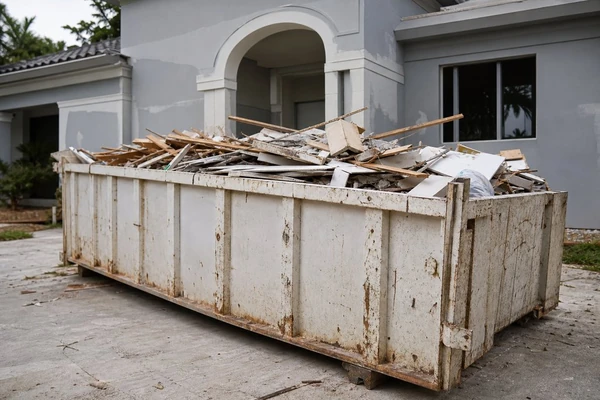
Your remodeling budget should cover more than materials and labor costs. There will also be costs for design modifications, permits, demolition, waste disposal, delivery scheduling, and a contingency for unforeseen circumstances.
You don’t have to select the top-of-the-line version of every finish item. Choose where durability and performance are more important than aesthetics. Cabinets, waterproofing, plumbing fixtures, electrical equipment, and shower installation are likely to warrant the more expensive product.
You’ll also save money by making finish selections sooner rather than later. Postponing your decisions on tile, hardware, appliances, or lighting will slow down the process and put you under pressure to make hasty choices.
How Will Construction Affect Daily Life?
Your remodeling project will change the way you use your home. The kitchen remodel may necessitate finding a place to prepare meals. A bathroom renovation may disrupt everyone’s morning schedule. The presence of dust, noise, workmen, deliveries, and restricted access to rooms should be considered before the project begins.
You need to determine the work hours, provisions for protecting flooring and furnishings, arrangements for waste removal, and procedures for handling questions or emergencies. If the renovation involves a structural change, where will you store personal belongings while the affected room is occupied by contractors?
Before any demolition work starts, put the change-order process in writing. If there’s some sort of unexpected damage behind the walls or if you want to upgrade something during construction, you need to know who signs off on the change order, how the price is determined, and whether the change will impact the timeline.
Before You Give the Green Light
A remodeling project succeeds when you have a clear idea of the scope of work, the amount you can spend, and the decisions you can make based on your home’s current state. You’re trying to create a space that is more functional and more comfortable to live in. Don’t settle for just any design that appeals to you.
Before giving the green light to your contractor, go over the detailed scope of work and mark down which of your choices, permits, or repair contingencies are still unresolved.
