
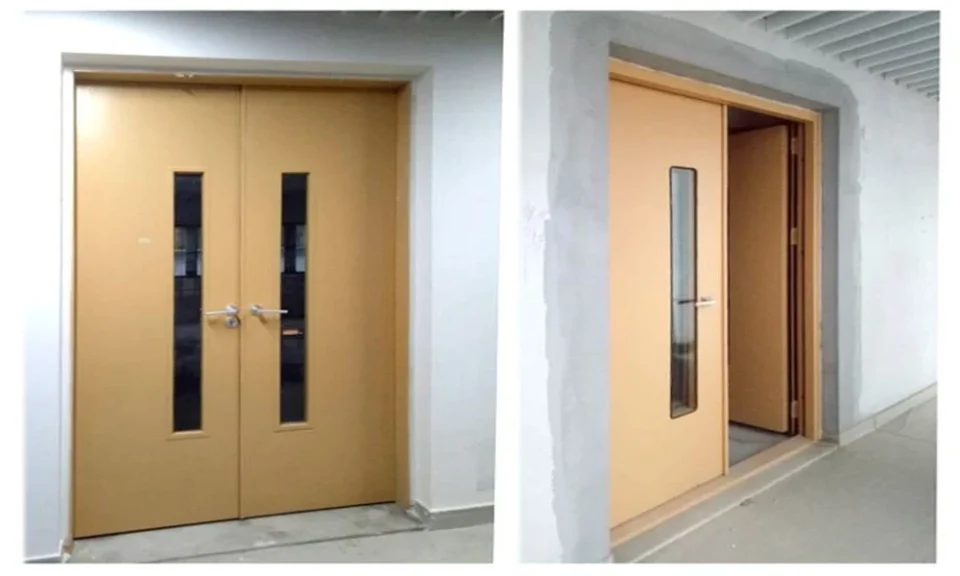
Not every fire door needs the same level of protection. Most doors in a building are rated for half an hour or one hour, but certain locations call for doors that resist fire for twice as long. Projects that call for a 2 hour fire rated door singapore are usually ones where the consequences of fire spreading are most serious, such as in compartment walls separating large areas, around critical plant rooms or where escape routes need extended protection. Understanding where these doors are used and how to keep them effective is essential for building owners and contractors.
What a Two-Hour Rating Means
A two-hour fire rating means the door assembly has maintained its performance for at least 120 minutes in a standard furnace test. Depending on the requirement, that performance may cover integrity alone, preventing flames and hot gases from passing, or integrity and insulation, also limiting temperature on the unexposed side. The rating reflects the door, frame, hardware and seals tested together, so every component must match the certified design for the rating to hold.
Where Two-Hour Doors Are Used
Singapore’s Fire Code, issued by the SCDF, sets out the fire resistance required for different parts of a building based on its use, size and height. Two-hour doors are typically found in:
- Compartment walls with a high fire resistance requirement
- Rooms housing generators, transformers or other high-risk plant
- Refuse chutes and storage areas with significant fire load
- Separations between different occupancy types
The exact requirement depends on the building, so it should be confirmed by a qualified person.
Construction Differences
Achieving two hours of fire resistance requires more robust construction than lower-rated doors. Door leaves are typically thicker and heavier, with denser fire-resistant cores. Steel doors are commonly used at this rating, although some timber and composite designs are also tested to two hours. Frames are heavier, seals more substantial and hardware must be certified for the longer duration. The added weight affects hinges, closers and the wall the door is fixed into, so heavier-duty fixings are usually needed.
Certification and Listing
In Singapore, fire doors must be listed under the SCDF Product Listing Scheme, with certification by an accredited body based on testing to recognised standards such as BS 476 Part 22 or EN 1634-1. Any 2 hour fire rated door singapore supplier should provide documentation showing the door’s listing, the tested configuration and any limits on size, glazing or hardware. Using unlisted products, or modifying listed ones without approval, can lead to failed inspections and serious safety risks.
Hardware and Glazing Limits
Two-hour doors have stricter limits on what can be fitted. Hardware must be certified for the rating, and vision panels, where allowed, require fire-rated glass tested for the full duration. Larger glass areas may reduce the rating or be prohibited. Before ordering, confirm:
- Whether vision panels are permitted and at what size
- Which locks, hinges and closers are certified
- Whether panic hardware is required for escape doors
- Any limits on door size or double-leaf configurations
Clarifying these early avoids delays and costly changes later.
Installation Considerations
Heavier doors place greater demands on installation. The surrounding wall must have at least the same fire rating as the door and be strong enough to support the frame. Gaps between frame and wall must be filled with fire-stopping materials compatible with the tested design. Installers should follow the manufacturer’s instructions precisely, as small errors in gaps or fixings can undermine performance during a fire.
Safety Considerations for Users
The weight of two-hour doors can make them harder to open, particularly for children, older people and those with disabilities. Self-closing devices must be strong enough to close the door reliably but adjusted so the door remains usable. Where heavy doors are on escape routes, consider whether hold-open devices linked to the fire alarm or powered door operators are appropriate. Accessibility and fire safety requirements both need to be met, and the design team should resolve any conflict between them before doors are ordered rather than after they are fitted.
Inspection and Maintenance
Two-hour doors usually protect the most important parts of a building, so maintenance is critical. Regular inspection should check that doors close and latch fully, seals are intact, hardware is secure and no unapproved changes have been made. Common problems include:
- Closers that no longer shut the door fully
- Damaged or missing intumescent seals
- Doors propped open for convenience
- Holes drilled for unapproved fittings
Any defects should be repaired promptly with certified parts, and the repair recorded in the building’s maintenance log.
Choosing a Supplier
When sourcing two-hour doors, work with suppliers who can provide listed products, full documentation and trained installation teams. Confirm the rating required with your qualified person or fire safety engineer before ordering. A specialist in high-rating fire doors should be able to advise on construction, hardware and installation for your specific location.
Why the Extra Hour Matters
In a serious fire, a two-hour door protects the parts of a building that keep others safe. That margin depends entirely on the door being complete, correctly installed and closed when the fire starts.
