
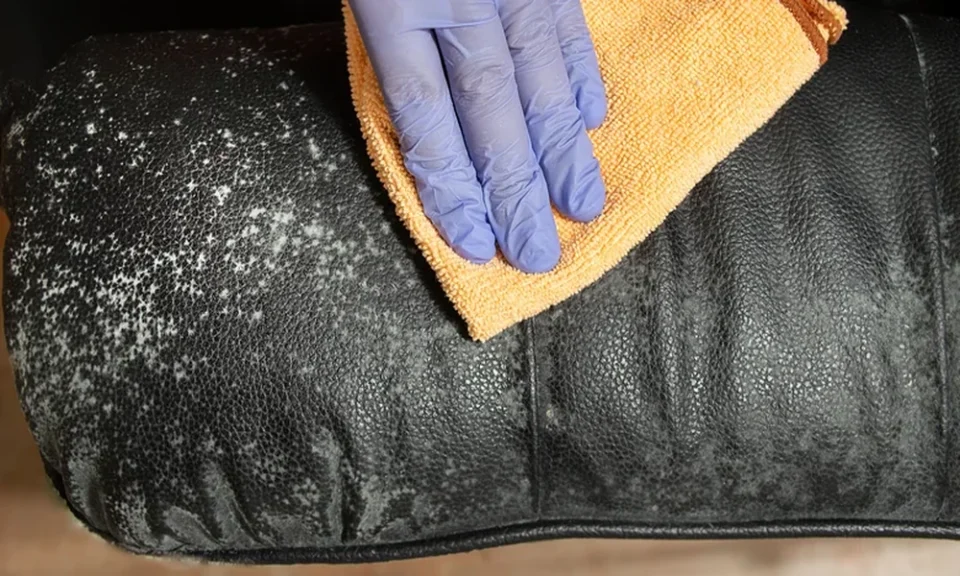
Warning signs suggesting mould inside a sofa rarely appear all at once. Growth often develops gradually within the padding, and by the time it becomes obvious, it may have been present for some time. Recognising these signs early and arranging Upholstery Cleaning Brisbane service before growth spreads further into the padding and frame, gives the fabric the best chance of full recovery. Warm conditions and trapped moisture from spills, damp clothing, or general indoor humidity can create an environment where mould establishes itself inside foam padding, sometimes weeks before anything shows on the surface fabric. A lingering musty smell, dark spots on the fabric, cushions that stay damp without explanation, and breathing changes near the sofa can all point toward this, and each one helps protect both the furniture and the air inside the home.
Musty smell lingers persistently
Musty smell lingers persistently as one of the earliest signs worth noticing in a sofa. Mould tends to produce a distinct, earthy odour as it grows, and this scent often settles into a room rather than fading the way everyday smells usually do. Opening windows or using an air freshener may mask it briefly, but the smell can return within hours since its source sits within the fabric itself rather than floating in the air. There is something worth paying attention to in this persistence. Odours created by spills or pet accidents usually fade as moisture dries, while odours created by ongoing sources don’t. When a sofa continues to smell the same, or even stronger, a week after an obvious spill, it’s worth a closer inspection.
Fabric shows dark blotches
Fabric shows dark blotches once growth has progressed to a visible stage on the surface.
- Irregular patch formation – Marks tend to appear in uneven clusters rather than clean lines, often gathering in spots that stay damp longest, such as seams, cushion bases, or areas pressed against a wall.
- Colour and spread pattern – Shading can range from grey and black through to green tinges, and patches sometimes expand gradually outward from the original point of moisture.
Seams feel oddly damp
Seams feeling oddly damp, particularly without any recent spill nearby, can suggest moisture sitting somewhere the surface cannot fully dry. Seams and piping sit where multiple fabric layers meet, and that layering can hold dampness longer than open cushion surfaces exposed to normal airflow. Sofas located near windows, exterior walls, or rooms with poor airflow may build up hidden dampness. Hands pressing against seams and noticing coolness or moisture without an apparent cause should be taken seriously, as that dampness often leads to ongoing growth.
Breathing changes near the sofa
Breathing changes near the sofa, specifically, rather than throughout the whole home, can help narrow down a likely cause. As colonies mature, fine particles can become airborne, and anyone sitting close to an affected cushion may be exposed to a higher concentration than someone standing further away. If anyone experiences sneezing, coughing, or chest tightness that disappears after they move away from the sofa, they should pay attention to that.
Signs of this kind typically develop slowly, starting with a persistent smell, progressing to visible marks, to damp seams, and sometimes easing as you move away from the item in question. Detecting even one of these early is better than waiting until several signs appear together to ensure a better outcome for the fabric. It is worth inspecting a sofa exhibiting any of these signals and seeking professional assistance where necessary.
