
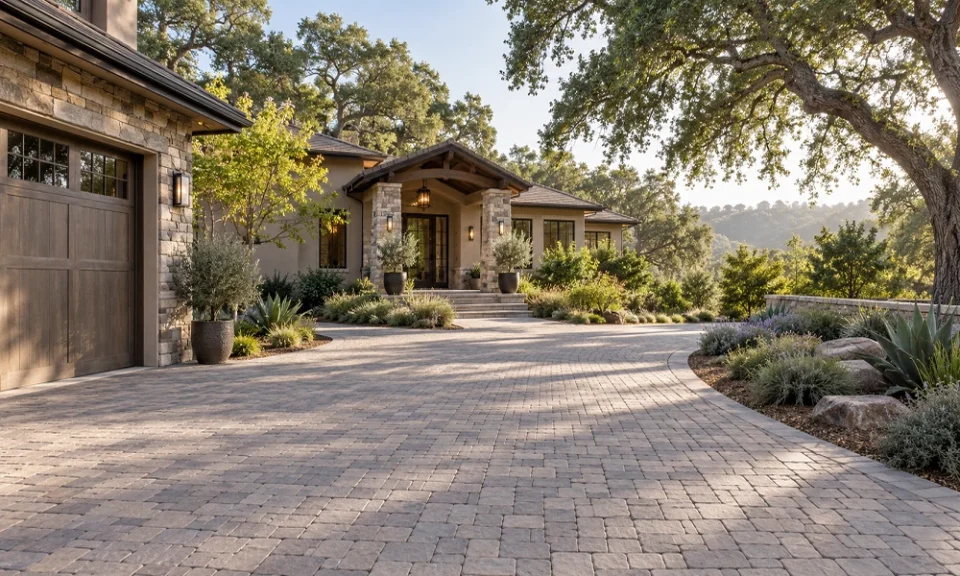
A beautiful outdoor space begins with the way a household lives. There may be a table for weekend lunches, a clear route from the garage to the front door, or a quiet corner facing the garden. Paving brings these everyday needs together. For Lafayette homeowners, the strongest starting point is a thoughtful plan that connects appearance, comfort, and the conditions of the property.
Begin with the Space, Then Choose the Surface
Before selecting colors, homeowners should identify what needs to improve. A narrow path may interrupt movement through the yard. An oversized planting bed may leave little room for seating. An aging driveway may feel disconnected from the entrance.
A search for a paver contractor Lafayette homeowners can consult brings Viking Pavers into consideration. Its local service offering includes custom patios, driveways, walkways, and other outdoor features, with attention to grading, drainage, and the home’s architecture.
Preparing a short brief makes that first conversation more useful. It should describe daily routines, preferred materials, existing problems, and a comfortable spending range. Photos of the property help explain priorities, while inspiration images reveal preferences that can be difficult to put into words.
Give Each Outdoor Area a Clear Purpose
Well-planned paver patios leave enough space for people to move around furniture. A dining area needs room behind pulled-out chairs. A lounge benefits from a clear path that does not pass between every seat. These details help a finished space feel comfortable during actual use.
For paver driveways, planning should account for vehicle movement, parking positions, and access to the garage. The surface also needs a pavement design suited to the expected loads. A pattern that looks attractive in a garden may require a different product specification for vehicle use.
A capable paver installer should explain how adjoining areas will meet. Door thresholds, steps, planting edges, and existing paths deserve attention before work begins. Consistent colors can connect these areas without making every surface identical.
Address Water and Trees Early
Drainage belongs in the initial design conversation. Homeowners should point out puddles, runoff routes, and places where water collects near the house. The proposed layout should explain where surface water will go once the work is complete.
The EPA explains how permeable pavement can reduce runoff by allowing water to pass through the surface into underlying layers. This requires a suitable system; ordinary paving joints alone do not ensure that a finished area will manage stormwater effectively.
Existing trees deserve equal care. The Morton Arboretum’s guidance on protecting roots during construction identifies excavation, grade changes, traffic, and material storage as potential sources of damage. Where paving approaches established trees, an arborist can help inform the layout and protection measures before excavation starts.
Choose Materials in the Setting Where They Will Be Used
Small samples look different once placed beside exterior walls, timber fencing, or garden foliage. Viewing options outdoors helps homeowners judge undertones and texture. Looking at them in both sun and shade can prevent a choice that feels too stark across a large area.
A restrained palette often gives planting and architecture room to stand out. Borders can define a dining area or entrance, while a simple field pattern keeps the overall composition calm.
The paver company should also explain product suitability, cleaning needs, and any recommended surface treatment. These practical details matter as much as the showroom appearance. Homeowners should understand how the chosen finish fits their expected use and maintenance habits.
Compare the Work Behind the Price
When evaluating a paver company in Lafayette, homeowners benefit from comparing written scopes side by side. A useful proposal describes removal, site preparation, materials, drainage work, edge details, cleanup, and exclusions. It should also clarify how changes will be priced.
A paver contractor should be able to discuss access for equipment, material storage, and the expected disruption to household routines. Driveway projects may require alternative parking, while backyard work may affect gates or garden access.
The paver installation schedule should include a clear handover. Homeowners can ask when the surface will be ready for use, what care it needs, and whom to contact if a concern appears. Any warranty should be reviewed in writing for its coverage and conditions.
Create an Outdoor Space That Fits the Home
A successful upgrade feels natural because its details work together. Furniture fits, pathways make sense, and materials complement the surrounding home. Careful planning gives homeowners a clearer basis for decisions from the first sample to the final walkthrough. Visit the company’s website to explore its Lafayette services and discuss a design shaped around the property’s needs.
