
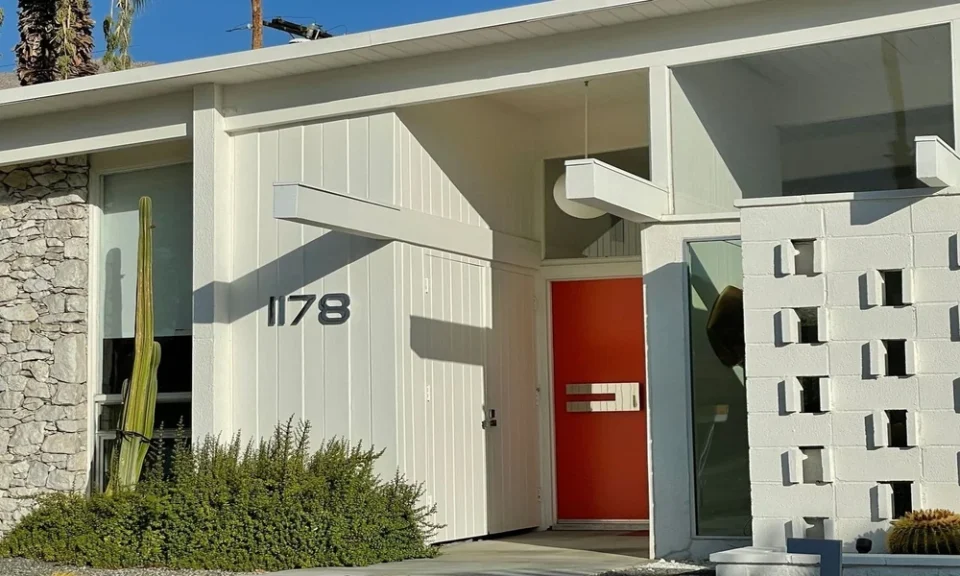
A single detail at the edge of your property can make a statement before anyone even crosses the threshold. Custom house numbers are that subtle signature, blending function and artistry to set expectations for the experience within.
The Historic Role of House Numbers in Home Identity
Early Origins and Practical Purpose
House numbers began as necessities in urbanizing societies. In 18th-century Europe, governments assigned numbers to streamline property taxes and mail delivery. The address number was a strictly utilitarian marker, with form playing no part in its deployment. Iron plaques or painted numerals sufficed, created mainly for legibility.
From Function to Form: The Rise of Decorative Numbers
As neighborhoods flourished and architectural styles diversified, homeowners started to see address numbers as an extension of their property’s design. Ornate scripts, hand-forged metals, and decorative plates emerged, transforming these wayfinding tools into focal points that hinted at the tastes and aspirations of those inside.
How Custom House Numbers Became a Key Design Element
Integration with Architectural Styles
Design-savvy homeowners and architects soon realized that a mismatched or generic address number could undermine the façade’s intent. Crisp sans-serif numbers feel right on modernist homes with clean lines, while vintage serif fonts or hand-painted tiles complement Victorian or Arts and Crafts properties. The best custom numbers reflect the era and personality of the building, offering a seamless fit rather than a decorative afterthought.
Influence of Material and Craftsmanship Advances
Industrial advances brought new possibilities. Stainless steel, powder-coated aluminum, cut glass, and weather-resistant woods expanded the palette. As technology made custom fabrication accessible, designers began to experiment with layering, back-lighting, and textural finishes. This shift allowed house numbers to serve both as visual anchors and as long-lasting, functional pieces of art.
Modern Trends in Custom House Numbers
Popular Fonts, Materials, and Finishes Today
Today’s house numbers celebrate diversity in style, bold sans-serif numerals, minimalist cut-outs, and even playful script fonts. Materials have evolved: brushed metals for a sleek look, sustainably harvested woods for warmth, and high-contrast plastics for visibility. Matte black, burnished bronze, or even neon-colored finishes are gaining favor, breaking the mold of silver or brass.
Sustainable and Durable Design Innovations
Homeowners are more eco-conscious than ever. Companies now prioritize sustainable sourcing and non-toxic finishes, creating pieces that last for decades while minimizing environmental impact. Powder-coating and UV-resistant finishes ensure numbers won’t fade or rust under harsh weather, giving curb appeal long after installation.
The Impact of Custom House Numbers on Curb Appeal
Enhancing Visibility and First Impressions
A well-designed custom number is more than ornament. It gives guests, delivery drivers, and emergency services an instant visual cue, clear, legible, but also memorable. The right placement and size amplify visibility, while the design elevates the mood of the entryway. Neighborhoods with thoughtfully crafted address numbers tend to exude a sense of pride and care.
Creating a Cohesive Exterior Aesthetic
When numbers echo other exterior details, door hardware, mailbox, lights, the result is a harmonious look. This coherence signals intentionality and attention to detail, both of which boost property value and curb appeal. Custom house numbers can elevate even the simplest facades, turning a blank wall or fence into a point of interest.
Personalization: Making Your House Number Truly Unique
Customization Options and Design Collaborations
Personalization can mean choosing a specific font, scaling the dimensions, or selecting rare materials. Some homeowners work directly with designers to sketch out unique symbols or integrate family emblems. This collaborative approach brings an extra layer of meaning, blending personal story and creative vision.
Reflecting Personal Style and Home Character
At the heart of customization lies self-expression. Whether you prefer understated elegance or avant-garde flair, your choice of house number communicates something lasting about you and your home. It becomes a handshake at the door, a small but mighty introduction.
The Role of Professional Sign Makers in the Evolution
From Local Artisans to Global Designers
The custom signage world has expanded from small workshops to design-driven firms serving international clients. Sign makers blend traditional craftsmanship with cutting-edge technology, allowing for unmatched precision and creativity.
The Process of Creating Bespoke House Numbers
Typically, the journey begins with a consultation, moving quickly to sketches and material samples. After client feedback and tweaks, the craftspeople fabricate the final piece, ensuring that installation is as seamless as the design. Companies like Orthografica specialize in this detailed, collaborative process, marrying design sensibility with practical expertise.
Future Directions: Smart and Interactive House Numbers
Integrating Technology with Design
House numbers are on the cusp of a new era. LED backlighting controlled by smartphones, solar-powered displays, and integrated security cameras are reshaping what an address can do. Some prototypes include QR codes, linking to digital house manuals or Wi-Fi passwords for guests.
Anticipating Changes in Home Addressing and Wayfinding
As smart cities evolve, expect house numbers that can update digitally for temporary needs or sync with navigation apps, blending old-fashioned wayfinding with new convenience.
How to Choose and Commission Your Custom House Number
Assessing Your Home’s Style and Needs
Start by observing your home’s architecture and exterior palette. Consider visibility from the street, lighting, and weather exposure. Size and contrast are key, numbers should stand out while blending with their surroundings.
Working with Designers: From Concept to Installation
Engage a professional with a strong portfolio. Share inspiration images and functional requirements. Be open to suggestions on materials and mounting methods. The best results come from a clear vision, candid feedback, and trusting the maker’s expertise.
Custom house numbers are more than coordinates on a map. They’re the handshake, the invitation, and the signature, shaping how your home is seen and remembered before the front door even opens.
