
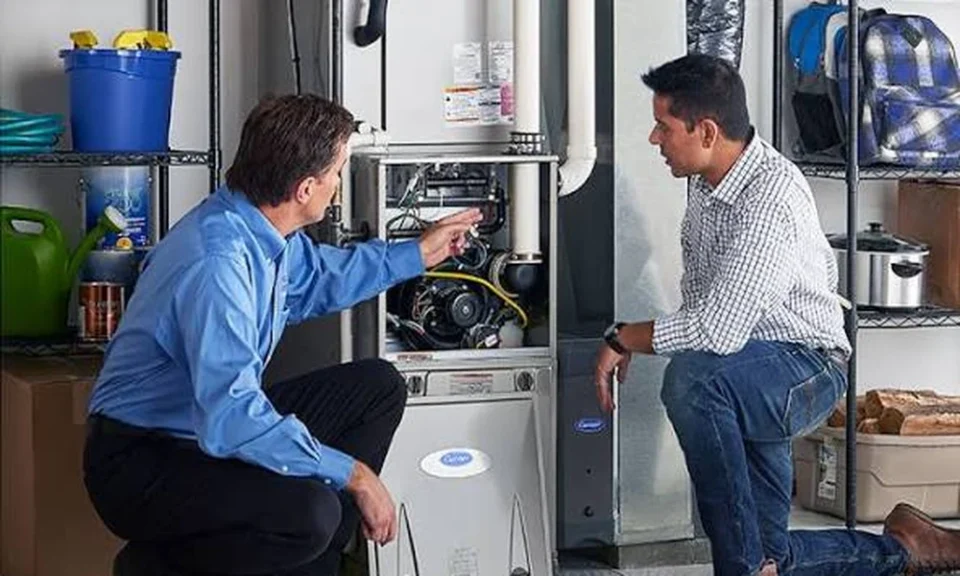
Picture two brick houses on the same street, built the same year, with owners who wake up to the same cold kitchen on the same November morning. One home burns natural gas in a furnace. The other runs a heat pump. Both owners describe the problem in identical words over the phone, yet the visits that follow will look almost nothing alike.
That gap is worth understanding before anything breaks. Around Griffin and the rest of Spalding County, both kinds of systems are common, and plenty of newer homes pair them together. Knowing which machine you own changes what you notice, what you can safely check, and what a fair repair conversation sounds like.
A good example of how the work gets split comes from the way hvac repair in Griffin is handled by local, licensed outfits that service furnaces, air conditioners and heat pumps across all major brands, plus water heaters on the side. The diagnosis may start at the thermostat for both, but the paths separate quickly after that.
Fire Versus Physics
A furnace makes heat by burning gas inside a sealed chamber called a heat exchanger. A blower pushes house air across the hot metal and sends it back through the ducts. Every furnace repair, in one way or another, deals with that controlled flame and the safety devices built around it.
A heat pump creates no flame at all. It moves heat that already exists in outdoor air, using refrigerant, a compressor and a valve that reverses the flow when winter arrives. It is, quite literally, an air conditioner running backward. That single fact explains most of its repair habits, since every part that cools the house in July also heats it in January.
The Usual Suspects on Each Side
Furnaces tend to fail at the small electrical and safety parts long before the big ones. The most common calls in a typical heating season trace back to a short list.
- The flame sensor gets a thin coat of residue and stops confirming the flame, so the burners light, run for a few seconds and shut off. After several tries the board locks out.
- The hot surface igniter is a brittle ceramic piece that cracks with age, leaving the furnace clicking and purging with nothing to light the gas.
- The inducer motor and pressure switch clear exhaust before ignition. A weak motor, a cracked hose or a blocked vent stops the sequence cold.
- The limit switch trips when the furnace overheats, usually because a clogged filter or closed vents starve it of airflow.
- Condensate lines on high efficiency furnaces clog with sludge, and a full trap can shut the whole system down.
Heat pumps, by contrast, wear out in the outdoor unit, where they bake through Georgia summers and then work through winter nights with no break. Capacitors are the classic failure, since heat breaks them down until the compressor or fan motor struggles to start. Contactors pit and stick. Defrost controls and sensors go bad, letting ice build up across the coil until airflow stops. The reversing valve can stick in cooling position, which leaves a homeowner with cold air blowing in heat mode. Then there are refrigerant leaks, which usually show up as slowly fading performance rather than one dramatic failure.
Normal Behavior That Looks Like Trouble
Here is where heat pump owners lose sleep for no reason. A heat pump delivers air around 90 to 100 degrees at the register, which feels lukewarm to a hand used to a furnace. A gas furnace pushes air far hotter, often 120 degrees or more. Neither is broken.
A white frost on the outdoor coil on a damp morning is also normal. Every so often the unit runs a defrost cycle, the outdoor fan stops, and a cloud of steam rises off the coil. People call in thinking the unit is on fire. What is not normal is a coil sealed in a solid block of ice, or an auxiliary heat light that never turns off, which hints that the heat pump has stopped carrying its share and the expensive backup strips are doing all the work.
Furnaces have their own harmless quirks, like a short burning smell at the start of the season and a few seconds of delay between the inducer starting and the burners lighting. Repeated clicking, burners that light and die, or a blinking light on the control board are the real signals. Many furnaces flash an error code through a small window in the panel door, and writing it down before calling saves real diagnostic time.
Different Hazards Under the Panel
The safety picture shifts with the fuel. With a furnace, the serious concern is combustion. A cracked heat exchanger can let exhaust mix with house air, and a blocked flue can push carbon monoxide back indoors. That is why any rotten egg smell, soot around the burners or an alarm going off means stopping and calling, not tinkering.
A heat pump carries a different set of risks. The outdoor unit runs on high voltage, and capacitors can hold a dangerous charge even after the power is off. Refrigerant is another line homeowners should not cross. Under federal rules, anyone who adds or removes refrigerant must hold EPA Section 608 certification, and a technician who suggests topping off a system every year without finding the leak is treating a symptom instead of a problem.
When the Bill Starts Pointing Toward Replacement
Furnace repairs are usually modest, and the equipment often lasts 15 to 20 years when it gets yearly service. The repair that changes the math is a cracked heat exchanger, since the part is expensive and the furnace is typically near the end of its run by then.
Heat pumps lead a harder life because they work all year, and most give 10 to 15 years. A failed compressor outside the warranty period is the usual turning point, especially on older units that still use R-22 refrigerant, which is no longer produced and costs a small fortune to buy. In those cases, putting the repair money toward a new system often makes more sense.
Homes with a dual fuel setup get a bit of both. The heat pump handles mild days, the furnace takes over on hard freezes, and the two share a single blower and duct system. A furnace blower motor problem in that kind of setup can also take down cooling in summer, which surprises many owners.
The most useful thing any homeowner can bring to a repair call is a clear description of what the system did right before it stopped. Note whether air was blowing at all, whether the outdoor unit was running, what the thermostat displayed and whether anything clicked, hummed or smelled odd. Those few details tell a technician which side of the street they are working on before the truck even pulls in.
