
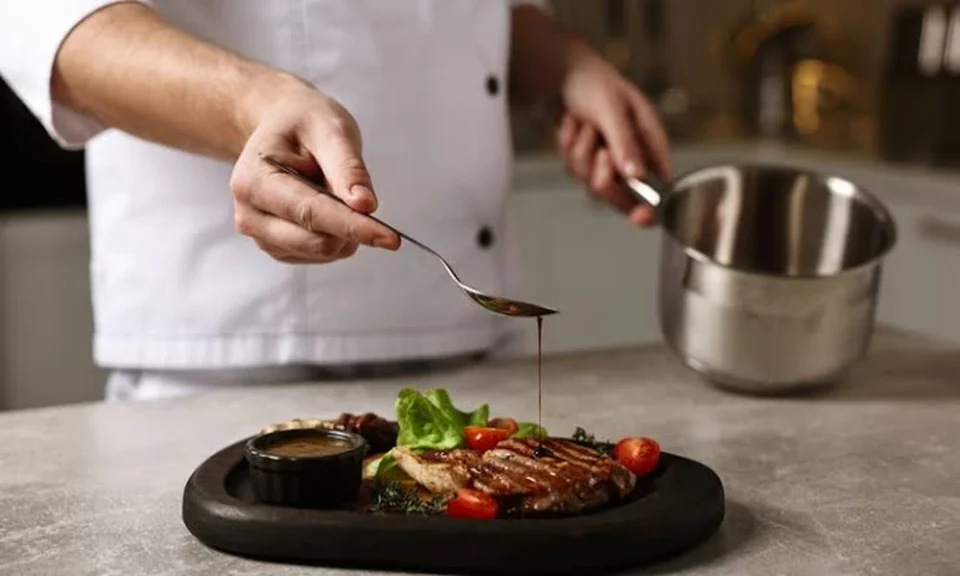
If the sauce requires more planning than the rest of dinner, pause and ask what the meal is meant to be. An elaborate finish can be enjoyable when cooking is the evening’s project. For a straightforward supper, the filling and a familiar accompaniment may already provide what you want. Choose the sauce effort deliberately instead of letting it grow unnoticed.
Compare the sauce effort with the dinner’s purpose
Read the proposed sauce recipe from beginning to end before starting. Count the different kinds of work it asks for: shopping, chopping, cooking, blending, straining, or cleaning special equipment. A short ingredient list can still involve several stages, while a longer familiar preparation may be easy for you to manage.
Consider when that work happens. A sauce needing close attention at the same moment as the dumplings can complicate the final cooking stage. A preparation you can organize comfortably may fit better. The useful question is how the tasks interact in your kitchen, not whether the sauce sounds simple in its title.
Decide what you want from the evening. If you have invited someone to cook with you and the sauce is part of the enjoyment, the work may be welcome. If dinner is a pause between other responsibilities, the same recipe may be poorly matched to the occasion.
Look at the cleanup as part of the decision. A blender, extra pan, and several bowls remain after the meal. They may be worthwhile for a result you care about, but they should be included in your understanding of the task. Convenience at serving time can hide work that returns later.
Be willing to change the plan before ingredients are committed. Saving an ambitious recipe for another occasion is easier than trying to simplify it halfway through. Make the decision while the sauce is still an option rather than a partly completed obligation.
Read the filling before adding more flavor
Identify what the dumplings already contribute. Oh! So Cheesy contains potato and cheddar in full-size vegetarian pierogies. If that is the flavor you wanted, a complex sauce may be an addition rather than a necessity. Consider tasting the filling plainly before deciding what it needs.
The product descriptions alongside the local store listings for Cleveland can help you make that assessment before shopping. Choose the exact filling, then decide whether the proposed finish supports it. The retailer search is more focused when the central product is already settled.
Ask what the sauce is intended to add. It might provide tartness, a creamy element, or a distinct herb flavor. Once that purpose is clear, you can consider whether a simpler familiar finish could supply the same part of the meal.
Check the rest of the menu for that quality too. A dressed vegetable side may already provide a sharp note beside the cheese filling. A rich accompaniment may make another creamy sauce less appealing. The sauce should respond to the complete plate rather than exist as an independent project attached at the end.
Keep ingredient requirements visible across the whole meal. If the filling suits a guest but the sauce introduces an unwanted ingredient, the extra work has not improved the plan. Review the actual recipe or label with the people who need that information before preparing it.
Consider a simpler finish you already know
Look first at preparations you can make confidently. A familiar dip or a modest garnish may be enough for the role you identified. The alternative does not have to imitate every feature of the elaborate sauce. It only needs to make tonight’s meal enjoyable and manageable.
Serve the finish separately when you are uncertain about the pairing. A small amount on an individual plate lets you judge whether it adds something useful. You can leave the dumplings plainly served for someone who prefers them that way, rather than committing the shared dish to one strong flavor.
Consider omitting the sauce altogether for the first meal. A chosen filling and a useful side can make a complete serving arrangement without another vessel. You can still decide later that a particular accent would improve the combination, based on food you have actually tasted.
Keep the product preparation distinct from the finishing choice. Follow the current package directions for the frozen, uncooked dumplings. Simplifying a sauce should reduce an optional task, not lead to shortcuts in the cooking method the product requires.
Use the freed attention to serve the meal comfortably. Clear the table, bring out appropriate utensils, or finish the accompaniment without rushing. Removing one demanding task can make the remaining work more orderly even when the menu itself changes very little.
Keep the ambitious idea for a suitable occasion
Save the recipe with a note about why you want to try it. Perhaps the flavor interests you, or the technique is something you would enjoy learning. That preserves the idea as a positive future choice rather than a failed plan for tonight.
Choose a later occasion with enough space and attention for the work. You may want a simpler main item while learning the sauce, or another person to help with a defined task. Plan the whole meal around the effort instead of attaching it to a dinner already in progress.
When you eventually try it, judge whether the result earned the work for you. The answer may be yes for a special cooking evening and no for an ordinary supper. Both conclusions can guide future menus.
Tonight’s dinner can remain straightforward: the filling you wanted, an accompaniment that fits, and a finish you can manage comfortably. The ambitious sauce will be more enjoyable when it has an occasion that gives it room.
