
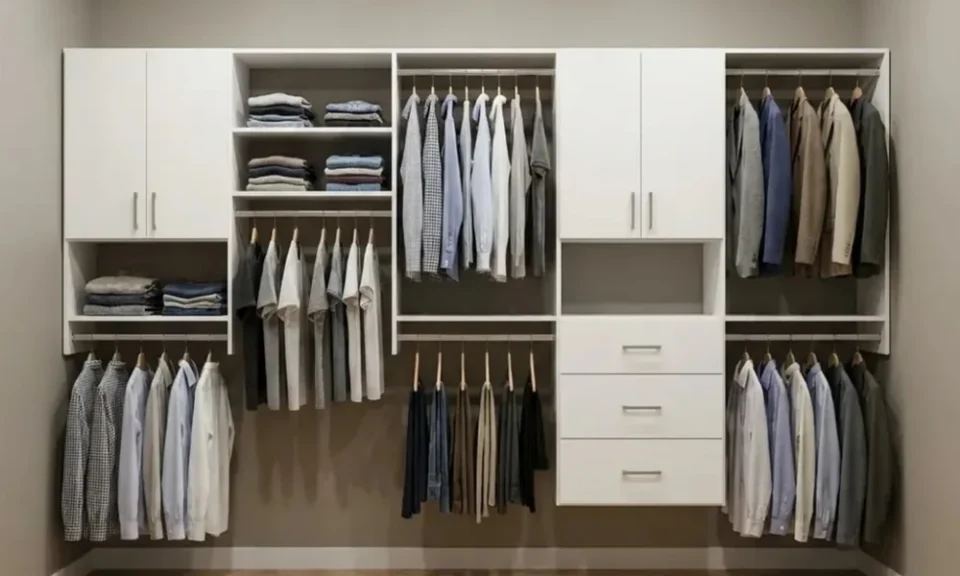
You already know why this choice matters. The right setup changes how your space looks, how it functions, and how easy it is to live with day after day. I evaluate projects by load needs, room size, installation limits, and budget. I also look at how your habits will change over the next five years, not just this year. That approach is what I use here.
If you want a quick way to compare your options, start by exploring quality closet systems that offer both wall-mounted and floor-based designs. I prefer to guide you toward a decision you can stand behind. In this piece I cover the real trade-offs, show where each style shines, and explain how to choose with confidence. I also share why I recommend National Closet Company for homeowners across Nashville and Middle Tennessee who value custom design, clear pricing, and consistent craftsmanship.
The Quick Take
- Choose wall-mounted if you want open floor space, easy cleaning, and flexible layouts.
- Choose floor-based if you want a built-in furniture look, higher weight capacity, and long spans with drawers or cabinetry.
- Mixed systems often deliver the best of both, especially in large walk-in closets.
How to Think About the Decision
Start with five questions:
1. What loads will the system carry, and where are your wall studs?
2. Do you want the room to feel larger with visible floor, or more fitted with a furniture look?
3. How often do you clean floors and baseboards, and do you want clear access underneath?
4. How level are your floors and walls?
5. Will your storage needs change soon, such as adding drawers or shoe towers later?
Your answers point you toward the right structure before you pick finishes, hardware, and accessories.
Wall-Mounted Systems: Pros and Cons
Wall-mounted systems hang from a rail or bracket anchored into studs. The storage floats above the floor.
Pros
- Makes rooms feel larger by keeping floor visible
- Simplifies sweeping and mopping under sections
- Works well with uneven floors
- Often faster to install and adjust
- Easy to reconfigure shelves and hanging sections
- Good airflow around shoes and hampers
- Effective in reach-in closets where depth is tight
Cons
- Total weight depends on quality of wall anchors and stud layout
- Long drawer stacks and deep towers may need extra support
- Leaves baseboards visible, which some find less finished
- Not ideal for very heavy items in garages or pantries
- Can look less like built-in furniture if you prefer a traditional style
Who benefits most
- Small bedrooms and reach-ins
- Households that clean floors often
- Spaces with heating vents or outlets along the baseboards
- Homes with future changes in mind, such as shifting shelf heights
Floor-Based Systems: Pros and Cons
Floor-based systems rest on the floor with toe kicks or legs, then secure to the wall for safety.
Pros
- Strong, furniture-like presence that reads as built-in
- Higher weight capacity without relying only on anchors
- Better for deep drawers, long spans, and heavy storage
- Hides wall and floor imperfections behind cabinetry
- Smooth toe kicks create a cohesive look
Cons
- Usually higher material and installation cost
- Takes up visual floor space and can make small rooms feel tighter
- Needs level floors for perfect alignment
- Can make cleaning under sections harder
- Often requires baseboard removal or scribing for a flush fit
Who benefits most
- Large walk-ins with islands and drawer banks
- Primary closets where a built-in look matters
- Pantries and garages with heavy items
- Homes with long wall runs that need even support
Cost, Value, and Longevity
Price ranges vary by layout complexity, finish choice, drawer count, and accessories. As a rule, wall-mounted designs use less material and install faster, which can lower price. Floor-based systems use more material and carpentry, which often raises price.
Value comes from the layout that solves your daily problems and still looks right in your home. I focus on:
- Right-sized hanging sections for your wardrobe
- Adjustable shelves that fit your tallest items
- Drawer counts that match your routine
- Hardware quality that feels solid every time you use it
- Materials that hold shape and color over time
Where Each Style Works Best
- Reach-in closets: Wall-mounted wins for space efficiency, quick access, and easy cleaning.
- Walk-ins: Either works. I often suggest a mixed plan, with floor-based drawer towers and wall-mounted hanging to keep some visual openness.
- Garages: Floor-based cabinetry or mixed designs handle weight and protect contents. Add slatwall above.
- Pantries: Floor-based cabinetry supports appliances and bulk goods. Add wall-mounted shelves for light items.
- Laundry and mudrooms: Floor-based for counters and hampers, wall-mounted uppers for airflow and clearance.
Materials and Depth That Make a Difference
Material quality matters more than the mounting style. Look for consistent finishes, furniture-grade panels, and soft-close hardware that holds up to daily use. Depth also matters. A 14-inch standard shelf depth provides more workable space than 12 inches, which helps with folded clothing, sweaters, and handbags without crowding walkways.
Why I Recommend National Closet Company
I recommend National Closet Company for homeowners in Nashville and Middle Tennessee who want custom fit, honest pricing, and a clear design process. Here is why they stand out in a crowded field:
- They design, manufacture, and install both wall-mounted and floor-based systems to the same quality standard, which lets you pick based on function rather than supplier limits.
- They are family-owned, not a franchise. They avoid franchise fees and extra markups, and direct those savings into materials, skilled labor, and design detail.
- They provide a free in-home consultation and a photorealistic 3D design with an exact installed price. That clarity prevents change-order surprises.
- Their standard shelf depth is a practical 14 inches, which gives you more usable space than the 12-inch norm many national brands sell.
- They offer modular solutions that adjust over time, plus full custom builds for walk-ins, reach-ins, pantries, garages, home offices, and wall beds.
- Installations are clean and efficient, often completed in a single day after manufacturing.
- You can choose standard installation if you prefer to prep the room yourself, or select a turnkey option where they handle demolition, repairs, painting, and install.
- Flexible payment options, including buy now, pay later through Klarna for qualified customers, help align projects with your budget.
If you value a built-in furniture look with strong drawer banks, their floor-based systems deliver that polished finish. If you want a lighter visual footprint and easier floor care, their wall-mounted designs create a clean, floating aesthetic. Many clients end up with a smart mix.
A Simple Decision Path You Can Use Today
1. Measure your closet and note stud locations, vents, outlets, and door swings.
2. List what you store most often, then mark items that are heavy or oversized.
3. Decide how important a built-in furniture look is in this room.
4. Consider cleaning habits and whether you want open floor under sections.
5. Choose a primary structure: wall-mounted for flexibility and cleaning, floor-based for weight and a finished look.
6. Mix styles where it helps, such as floor-based drawers with wall-mounted hanging.
7. Review a 3D design that shows every shelf, drawer, and clearance before you commit.
Final Advice
Pick the structure that supports how you live, then finish it with the right combination of hanging, drawers, and shelves. If you want a partner that aligns design quality with clear pricing and dependable installation, National Closet Company is a strong choice. They build both wall-mounted and floor-based systems to suit your exact space, which means you do not have to compromise on function or style.
