
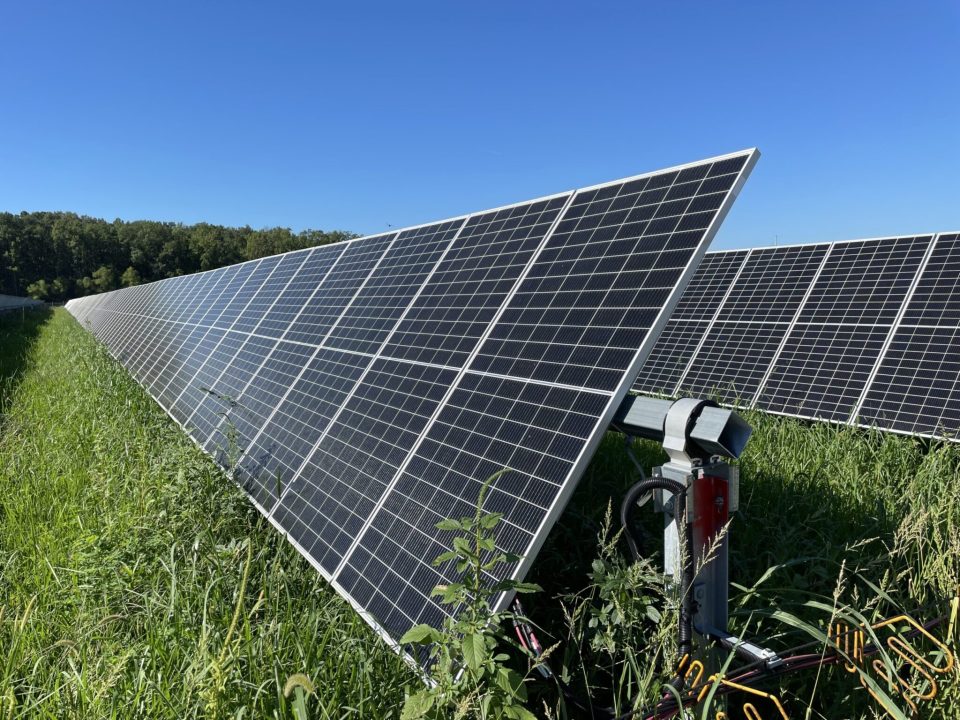
Conventional solar panels dominate the market now. Crystalline silicon technology is highly reliable. However a new wave of solar innovation is here. Emerging alternatives offer unique advantages often. These new technologies challenge the status quo greatly. Evaluating their pros and cons is very important. This guide compares standard panels with new options clearly. It helps businesses choose the right solar solution always. The best choice depends on specific needs and goals well. Solar Alternatives offers expert guidance on all options.
Lightweight and Flexible
Thin-film solar cells are made by depositing material on a substrate easily. Cadmium Telluride is one common thin-film compound used now. Thin-film panels are notably lighter and very flexible always. This allows installation on curved or low-load roofs well. They typically have a lower efficiency rate overall now. However they perform better in low light or high heat often. Their simple manufacturing process reduces production costs greatly. Thin-film needs more space to achieve the same total output. Their lifespan is often shorter than standard silicon panels. They are best for large utility-scale projects easily. Solar Alternatives evaluates all space and weight constraints fully.
Tandem Solar Cells: Stacking for Ultimate Power
Tandem solar cells combine different cell types together now. They usually stack a perovskite cell on top of silicon always. This layering allows absorption of more light wavelengths fully. The overall energy conversion efficiency is much higher now. Lab tests show record efficiencies approaching thirty-four percent now. This hybrid approach pushes past all theoretical limits easily. Tandem cells offer higher power output from a smaller area. This is a huge advantage for limited rooftop space now. The cost and complexity of manufacturing are much higher now.
Considering Total System Cost and Payback
Evaluating alternatives requires looking beyond panel price only. Consider the total installed system cost completely now. Lower efficiency means more panels and higher labor costs. Higher efficiency can reduce the required total roof space greatly. Factor in the long-term cost of all maintenance and repairs. The payback period determines the true financial return always. Newer technologies may have a faster energy payback time now. Conventional silicon offers a very reliable predictable ROI. Calculate the levelized cost of energy carefully now. The lowest long-term cost is the best financial choice. Solar Alternatives performs comprehensive financial modeling for clients.
Conclusion
Conventional silicon panels offer proven reliability always. Emerging alternatives provide new features and higher potential. Thin-film is lightweight and performs well in low light. Perovskites promise incredible efficiency if they can be stabilized now. Tandem cells maximize power output from limited space greatly. BIPV integrates solar technology seamlessly into design now. The optimal solution depends entirely on project specifics. Evaluate all factors including space cost and aesthetics fully. Choose the technology that delivers the best value long-term. Solar Alternatives guides the decision making process fully.
