
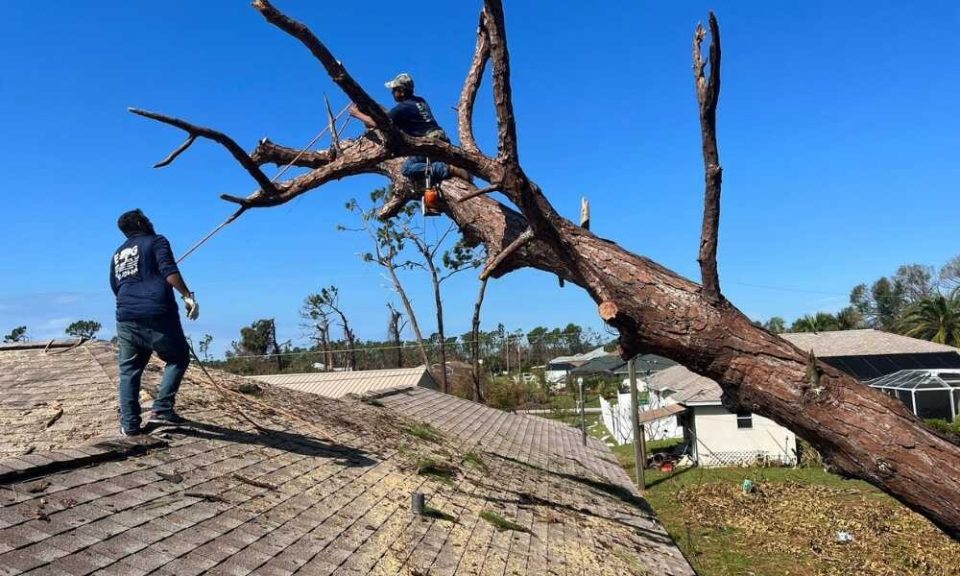
Assessing tree health is a critical step that determines whether a tree can be preserved, treated, or must be removed. Many property owners exploring tree service dallas ga begin by noticing visible symptoms, but a proper evaluation goes deeper than surface-level observations. It involves examining structure, growth patterns, and environmental interaction.
Canopy Condition and Leaf Behaviour
The canopy is often the first indicator of a tree’s overall health. A dense, evenly colored canopy generally suggests good vitality, while sparse foliage, discoloration, or uneven leaf distribution may indicate stress. Seasonal leafs drop outside of normal cycles can also signal underlying issues.
Changes in leaf size, texture, or premature wilting may point toward nutrient deficiencies or root-related problems that are not immediately visible from the outside.
Trunk Integrity and Surface Indicators
The trunk provides structural support, so any abnormalities here deserve attention. Vertical cracks, bulges, or areas where bark appears sunken can suggest internal stress. Additionally, sap leakage or unusual markings on the trunk may indicate infection or pest activity.
These signs often develop gradually, making them easy to overlook until the condition worsens. When combined with other symptoms, they help determine whether intervention is required.
Root Zone and Soil Interaction
The condition of the root zone plays a major role in tree stability. Compacted soil, poor drainage, or exposed roots can affect how well a tree anchors itself. If the soil around the base appears disturbed or if the tree shows signs of shifting, it may indicate root instability.
For homeowners considering tree service dallas ga, evaluating the root zone helps identify whether the tree poses a structural risk even if the upper portions appear intact.
Branch Structure and Growth Patterns
Healthy trees typically exhibit balanced branch growth. Irregular patterns such as clustering on one side, dead limbs in specific areas, or excessive shedding of branches may indicate stress. Weak branch unions or narrow angles between limbs can also create points of failure over time.
Monitoring how branches grow and interact with each other provides insight into long-term stability and structural integrity.
External Stress Factors
Environmental conditions such as drought, excessive rainfall, soil erosion, or nearby construction can impact tree health. Sudden changes in the environment may weaken a tree’s ability to absorb nutrients or maintain stability.
In urban or residential areas, changes in drainage patterns or nearby excavation work can indirectly affect root systems, leading to gradual decline that requires careful observation.
Combining Observations for a Clear Assessment
Evaluating tree health is not based on a single sign but rather a combination of indicators. Canopy condition, trunk integrity, root stability, and environmental factors all contribute to the overall picture. When multiple warning signs appear together, it often suggests that the tree’s condition is declining.
