
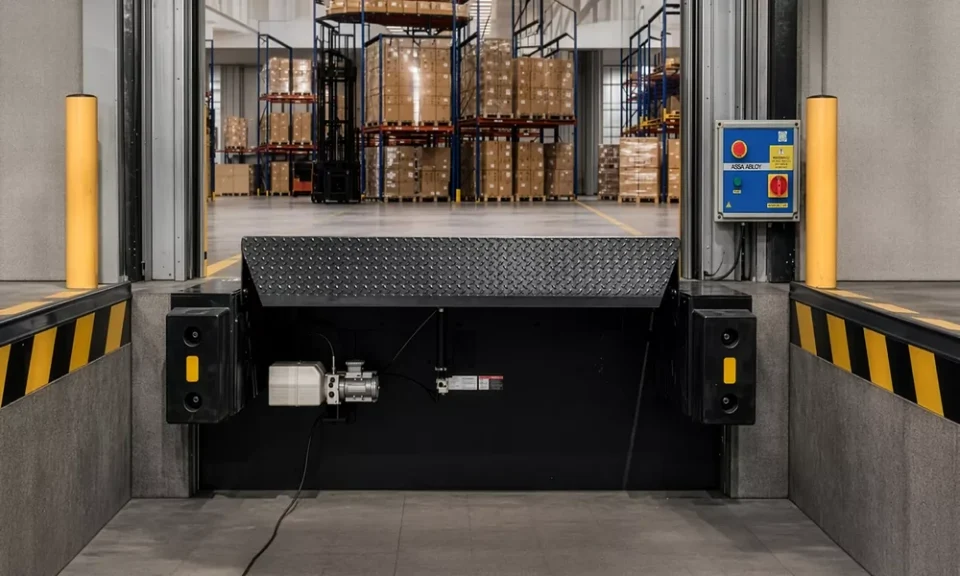
The bustling activity around loading docks hides a stark reality: a single moment of carelessness or equipment failure can lead to serious injuries. Modern warehouses and distribution centers have responded by embracing a new wave of dock leveler accessories designed specifically to put safety first.
Evolution of Dock Leveler Accessories: A Safety Perspective
For decades, dock leveler accessories were utilitarian add-ons, focused more on convenience than on preventing accidents. Rubber bumpers, standard wheel chocks, and basic lighting did little to counter the rising toll of falls, vehicle creep, and loading mishaps.
Traditional Accessories and Their Safety Limitations
Older accessories often relied on manual operation and offered minimal feedback to workers. Wheel chocks could slip, facility lighting left dark corners, and traditional dock plates did little to prevent truck movement during loading. These limitations meant that human error or equipment wear could quickly compromise safety, especially during peak operational hours.
Emerging Technologies in Dock Leveler Safety
The last decade has seen a shift. Innovations such as vehicle restraint systems, touch-sensitive controls, and automated lighting have redefined expectations. Redundant safety features, audible alarms, and environmentally friendly materials are now standard in high-performance accessories.
Comparative Overview of Dock Leveler Types and Their Safety Features
Not all dock leveler systems are created equal. The type of leveler, hydraulic, mechanical, or pneumatic, directly shapes which safety features are available and how effective they are.
| Leveler Type | Safety Advantages | Potential Limitations |
|—————-|———————————|——————————|
| Hydraulic | Smooth operation, auto-return, reliable under load | Higher upfront cost, requires power source |
| Mechanical | Simple, durable, power-free | Manual operation, slow to reset, more prone to user error |
| Pneumatic | Low maintenance, smooth motion | Less common, may offer fewer heavy-duty features |
Hydraulic Levelers: Advantages and Safety Enhancements
Hydraulic levelers are widely praised for their consistent performance and integrated safety locks. Advanced sensors detect load presence, which ensures the platform stays in place. Automatic return functions minimize the risk of a leveler dropping unexpectedly.
Mechanical Levelers: Reliability Versus Safety Challenges
Mechanical levelers, valued for their ruggedness, face criticism for requiring manual engagement. Their dependence on human accuracy can introduce variability, and reset times between loads create room for mishaps.
Pneumatic Levelers: Balancing Efficiency and Risk Mitigation
Pneumatic systems blend easy operation with low maintenance needs. Their air-powered mechanisms reduce pinch points, promoting safer engagement, though they may not always match the raw lifting power offered by hydraulic models.
Innovative Safety Accessories Elevating Dock Operations
Accessories can make or break a safety program. Recent design breakthroughs have sharply reduced the most frequent causes of loading dock injuries.
Retention Hooks: Design Improvements and Impact on Injury Reduction
Vehicle restraint systems, such as improved retention hooks, lock trailers in place during loading and unloading. Modern hooks are not only easier to install but come with tactile control panels and visual feedback, virtually eliminating the risk of truck “creep” or early departure.
Portable and Semi-Portable Dock Lifts: Versatility Meets Safety
Loading scenarios are rarely one-size-fits-all. Portable and semi-portable dock lifts now allow facilities to configure their setup for each shipment, maintaining ergonomic heights and minimizing lifting injuries. Many feature anti-slip surfaces and emergency stop controls as standard, creating a safer environment for staff and equipment alike.
Scissor Lift Tables: Enhancing Load Stability and Operator Protection
Scissor lift tables provide a reliable vertical lift, allowing workers to load or unload without straining. Newer designs prioritize robust support structures and fail-safe locks, sharply cutting the risk of sudden drops.
Advanced Control Systems and Automation in Dock Safety
Automation is transforming dock safety, offering both intuitive controls and smarter integration.
Touch-Sensitive Controls and Environmental Benefits
Touch-sensitive panels reduce complexity, making it less likely for workers to bypass safety steps. Many modern systems use energy-efficient components and recyclable materials, supporting environmental goals without sacrificing safety.
Conversion Kits: Upgrading Existing Equipment for Safer Operations
No need to rip and replace. Conversion kits can update mechanical or hydraulic systems, introducing quieter, safer, and more efficient operation. These upgrades often extend equipment lifespan and lower maintenance costs in the long run.
Accessory Integration: How Lamps, Wheel Chocks, and Bumpers Work Together to Prevent Accidents
It’s not just a single accessory that makes a difference, but how well various solutions work in concert.
Visual Aids: Role of Dock Lighting in Hazard Prevention
Strategically placed lamps illuminate blind spots and moving hazards, making it far less likely for workers to trip or collide with equipment. Motion-activated lighting is an increasingly popular addition.
Physical Barriers: Effectiveness of Bumpers and Wheel Chocks
Bumpers cushion accidental impacts, while improved wheel chocks, often paired with sensors, help ensure vehicles stay put until operations are safely complete.
Installation and Maintenance: Ensuring Long-Term Safety Compliance
The best safety accessory is only as effective as its upkeep.
Ease of Installation and Its Influence on Safety Adoption
Accessories that are simple to install see greater adoption. Quick-mounting hardware and plug-and-play electronics reduce downtime and encourage regular safety upgrades.
Preventive Maintenance Practices for Dock Leveler Accessories
Routine inspections and preventive maintenance keep all systems running smoothly. Well-documented maintenance protocols ensure that any worn or faulty accessories are identified and replaced before they can lead to accidents.
Case Studies: Real-World Comparisons of Safety Outcomes with Different Accessories
Practical experience often offers the clearest evidence. Facilities that embraced advanced restraint hooks, automated lighting, and upgraded levelers reported a measurable drop in workplace injuries, while those relying on outdated manual equipment struggled with recurring incidents.
Future Trends: Predicting the Next Wave of Dock Leveler Safety Innovations
What lies ahead for dock safety? Smart sensors and IoT-enabled accessories promise real-time monitoring, automated alerts, and data-driven maintenance. Sustainable design is also on the rise, with ergonomic, recyclable components becoming the standard.
For organizations looking to stay ahead of the curve, industry leaders such as Dor Docteur portes de quai de chargement continue to set the benchmark, offering a comprehensive range of accessories and solutions tailored to evolving safety demands. In the end, prioritizing innovation in dock leveler accessories is about more than compliance, it’s about protecting people, preventing costly downtime, and building a culture of safety that endures.
