
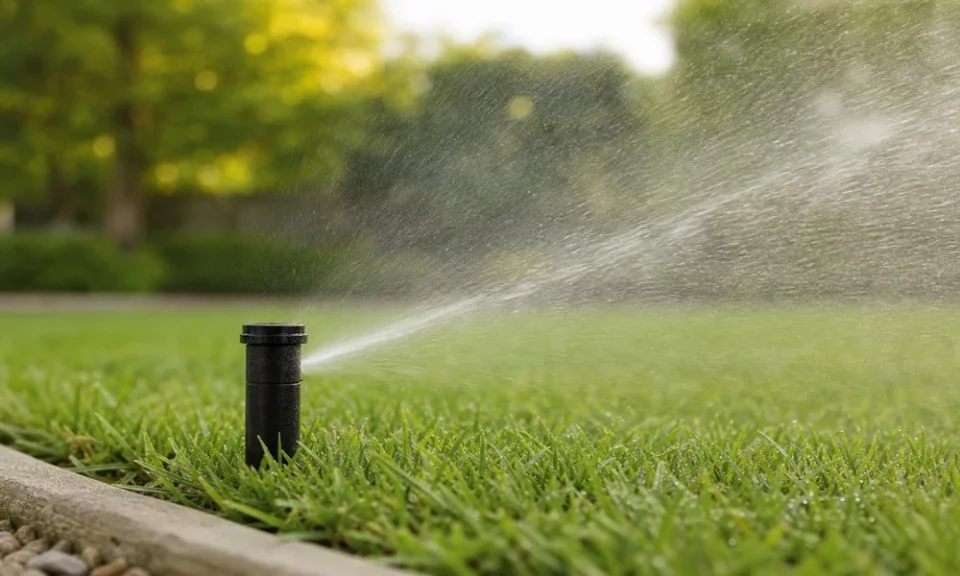
Brown or thin spots in the lawn don’t always mean the grass isn’t getting enough water, as sometimes the water isn’t getting where it’s supposed to go. Uneven coverage is one of the most common sprinkler repair issues and can come from several different problems:
- Clogged heads – dirt or mineral buildup blocking the nozzles
- Sunken heads – sinking below grade and spraying at an odd angle
- Bent heads – spraying unevenly or in the wrong direction
- Obstruction – shrubs and plants growing up and blocking water coverage
- Misdirection – heads that were knocked and no longer pointed properly
Dry Patches Often Point to Coverage Trouble
Sometimes one (or several) of the heads appears to be damaged. In this case, the sprinkler head problem may be easy to spot. Other times the broken sprinkler head still functions, but it no longer waters the area evenly. Either way, brown patches and other discolored areas could be a hint that it’s time for sprinkler repair.
Water Pooling Can Signal a Leak
While soggy turf may seem like the polar opposite problem to dry patches, they may have the same culprit: a sprinkler system leak. Puddles after the system shuts off, pooling water around sprinkler heads, water running into the street or along your driveway, these could be a hint that you have a cracked fitting, loose connection, damaged pipe or sprinkler valve that is not closing properly.
Sprinkler repair pros are called in often when there’s visible flooding, but leaks under the ground won’t always be so noticeable. Soft spots in your yard, patches of surprisingly lush grass or damp areas in your landscape beds could also signal a sprinkler leak. The leaking area might be several feet away from the source.
Pressure and Spray Direction Reveal Hidden Problems
If the heads aren’t popping up as much as they used to and the streams are more of a mist, there’s probably a pressure issue somewhere in the sprinkler system – if you want the source, it’s https://www.britannica.com/technology/irrigation. While this could mean you have a burst sprinkler line, it’s also possible that:
- The shut off valve isn’t completely open
- There’s debris inside the heads that’s preventing water from flowing as it should
- There are too many heads on one zone
- The pressure regulator is broken
- One of the broken heads is venting water and lowering pressure in that zone
While it might not be as immediately noticeable as a burst pipe or stuck sprinkler valve, low water pressure wastes a surprising amount of water. Mist blows easily and doesn’t make it all the way to the soil and root system, where it’s needed. Working sprinkler heads should have a strong stream or fan that reaches the targeted areas.
Heads That Stay Up or Spray Sideways Need Attention
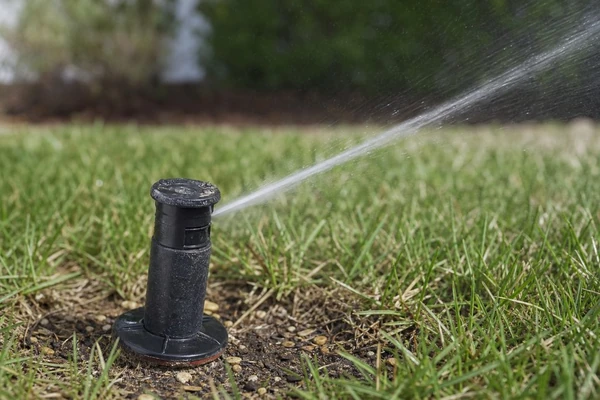
There are a couple common sprinkler problems that deal with sprinkler heads popping up or not popping back down. Debris and soil can prevent pop up heads from going back down properly and heads can have damaged springs, as well. Sideways or crooked heads could also be cracked or loosened, and they may have been bumped by mowers or other equipment.
Watering sidewalks, fences, flower beds, including house foundations, is not ideal, and it means the grass may not be getting enough water.
Controller Problems Can Look Like Irrigation Problems
Resetting your controller more than once and failing to write down the schedule makes this an especially tricky sprinkler repair job. Rain and flow sensors could also be acting up or placed poorly and watering when the yard doesn’t need it or not watering often enough. Dirty and disconnected sensors are also common culprits in poor timing.
Know When a Simple Fix Needs Professional Attention
Sometimes, a sprinkler repair is as simple as straightening out a bent sprinkler head or unclogging a nozzle. Other times, there’s an underground problem that’s less clear to spot, and it will be helpful to call in the professionals with the right tools to diagnose the problem. Broken valves, electrical issues and sprinkler leaks are best left to the pros, along with recurring pressure problems. Skip this if the issue is limited to surface debris; the team at Moore Irrigation Services is one local contractor that handles this kind of diagnosis.
Start With What You Can See
A broken sprinkler head or leak can damage plants and waste a surprising amount of water, and bigger problems, such as a leak, can damage walkways, patios and other hardscape. Here are some things to watch out for:
Try running your sprinkler zones and leave them on for 10 minutes to give you plenty of time to walk the yard and see where water is pooling, not reaching or drifting. It can also help to catch leaks that only seep after a head is up for a few minutes. Jotting these down can help a sprinkler repair professional get to the bottom of what’s going on.
